


Barefoot shoes turn up everywhere now, from gym floors to weekend trails, and the promises around them can sound a little too perfect. Stronger feet, better posture, fewer aches, more natural movement. It is fair to ask a blunt question. Are barefoot shoes good for you, or is this another trend riding on clever marketing?
The honest answer is that they help most people. A barefoot shoe is a tool, and like any tool it works best once you understand what it does and how to ease into it.
What Makes a Shoe "Barefoot"
A barefoot shoe is built to let your foot work like a foot. That comes down to three features: a wide, foot-shaped toe box so your toes can spread, a zero-drop sole that keeps your heel and forefoot level, and a thin, flexible sole that lets you feel the ground.
Conventional athletic shoes often do the reverse. They taper at the toes, lift the heel, and pack in stiff foam that quietly takes over the job your feet are meant to do. Our guide to natural foot movement shows how that shape works in practice.
The Real Benefits of Barefoot Shoes
Most of the upside traces back to one idea. When your feet do more, they get stronger.
Stronger feet and lower legs. Your feet hold dozens of small muscles that go quiet inside cushioned, supportive shoes. Letting them flex and grip builds strength from the ground up.
Better balance and body awareness. A thin sole sends your brain more detail about the surface beneath you. That feedback, known as proprioception, improves stability.
Room for your toes. A natural toe box lets your toes sit where they belong instead of being funneled into a point. For many people, that single change removes a daily source of discomfort.

The Honest Trade-Offs
Barefoot shoes are not magic, and pretending they are helps no one.
Transition slowly. If you have spent decades in cushioned shoes, your feet and calves are not ready for full days in a zero-drop sole. Most people adapt well over a few weeks by starting with short walks. Rushing is the quickest path to a sore arch.
They feel different at first. Less padding underfoot is a genuine adjustment, especially on hard pavement. That sensation usually fades as your feet grow stronger.
They are footwear, not treatment. If you have a specific foot condition, check with a professional before switching. Barefoot shoes support healthy movement, but they do not replace medical care.
How to Start Without Overdoing It
A simple on-ramp keeps things comfortable. Wear your barefoot shoes for an hour or two a day at first, mostly walking, then add time as your feet feel ready, usually across three to six weeks.
A little barefoot time at home helps wake up those small muscles. If running is the goal, ease in even more gradually, and our beginner running guide maps out the early weeks.

FAQs
Can beginners run in barefoot shoes?
Absolutely. The key is to start slow and build up gradually. Walk in them first, then add short running intervals over several weeks.
Are zero-drop running shoes bad for your knees?
Not when you transition properly. Zero-drop shoes encourage a more natural stride that may actually reduce impact on your knees compared to heel-striking in elevated shoes.
How long does it take to get used to barefoot running shoes?
Most runners need four to eight weeks of gradual transition. Start with short distances and increase slowly.
So, Are They Good For You?
For most people who want stronger feet, more natural movement, and lasting comfort, the answer is yes. The trick is treating the switch as a gradual habit rather than a one-time fix. Start with a single pair, wear them in short stretches, and grow from there.
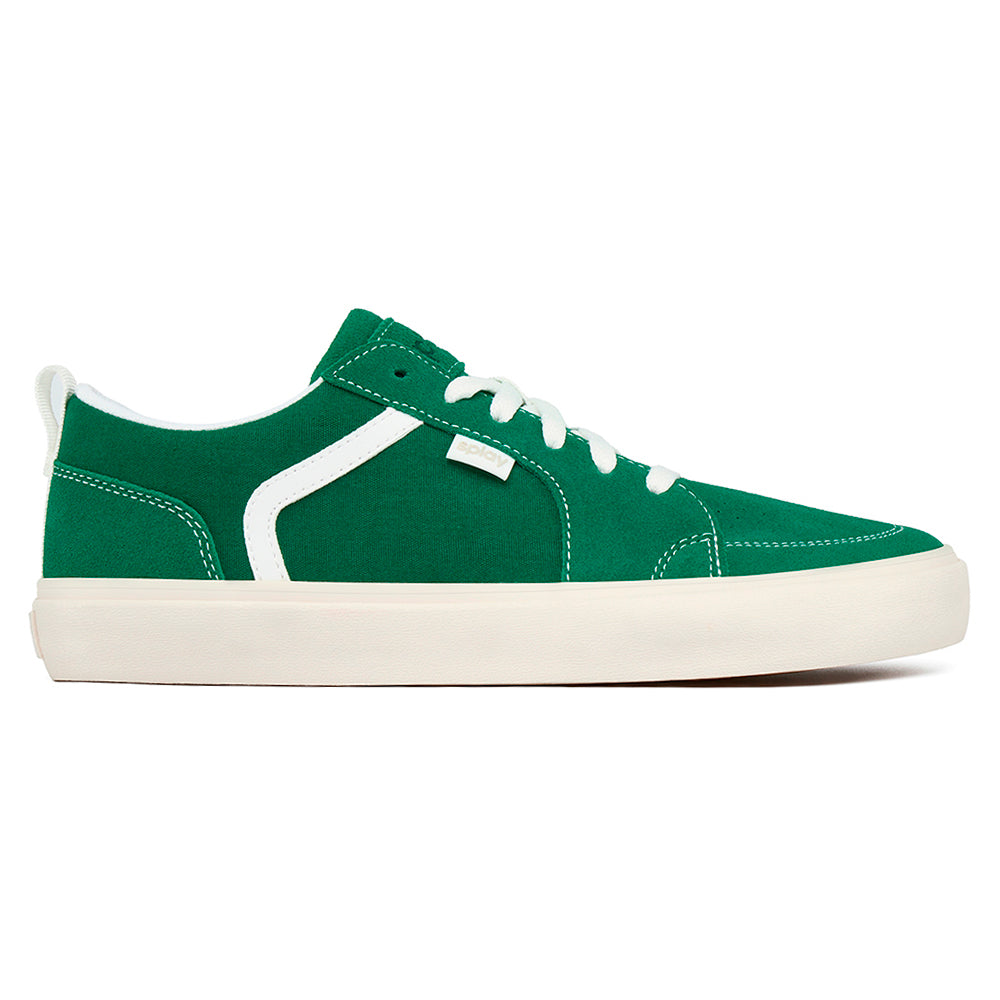
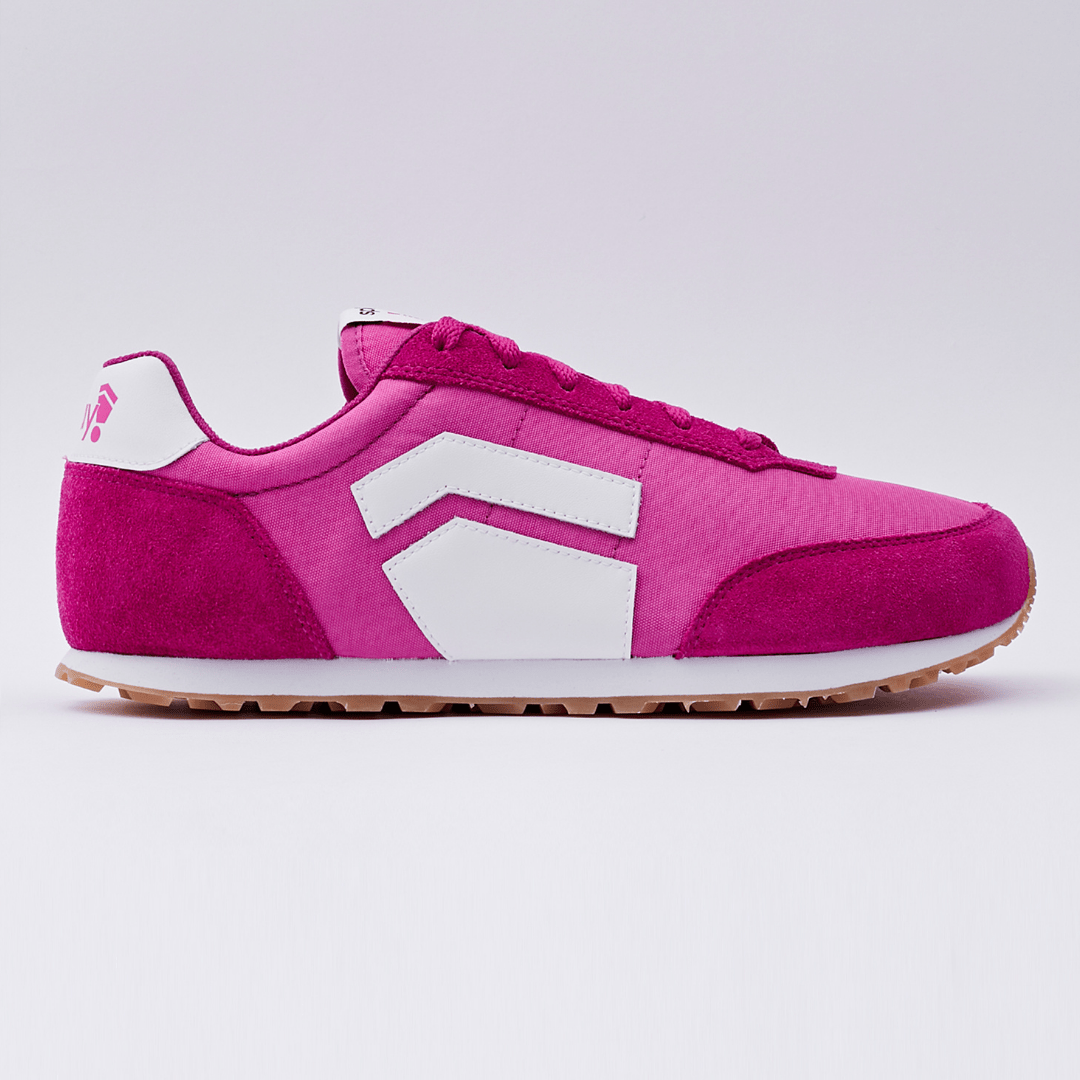
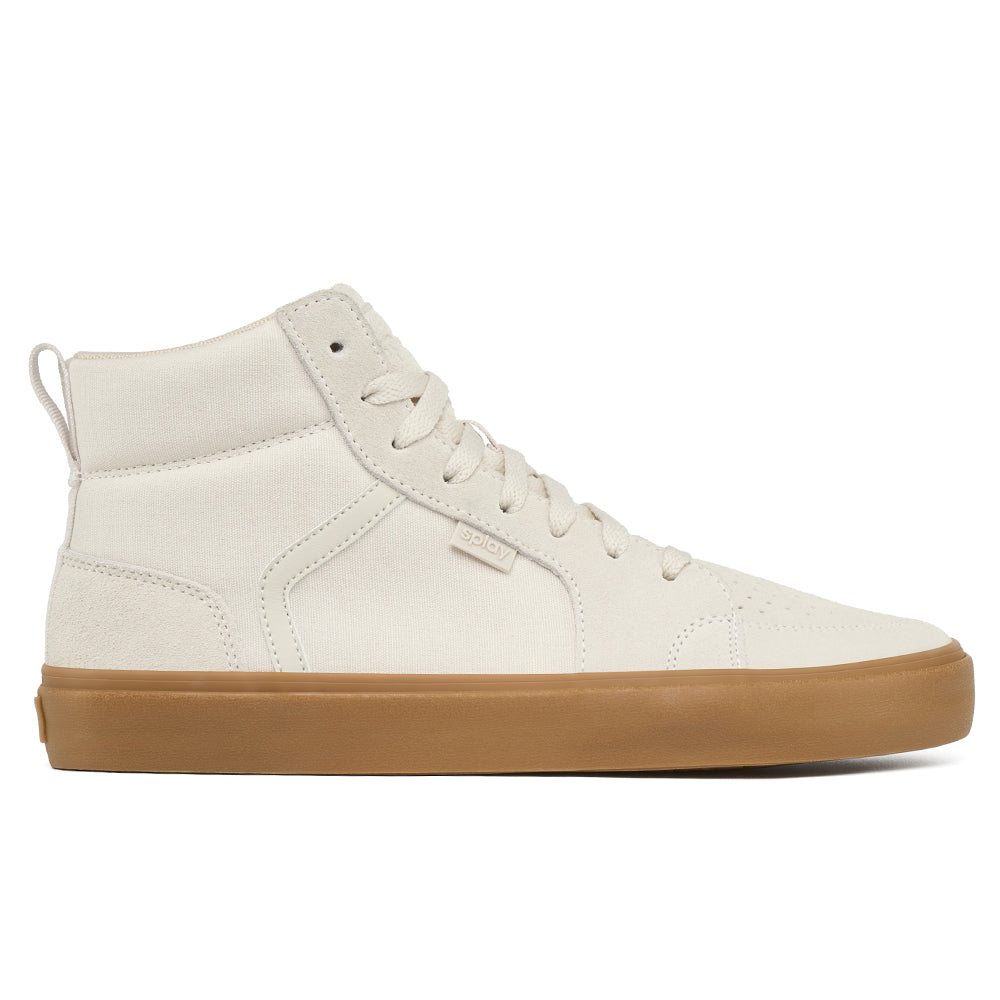
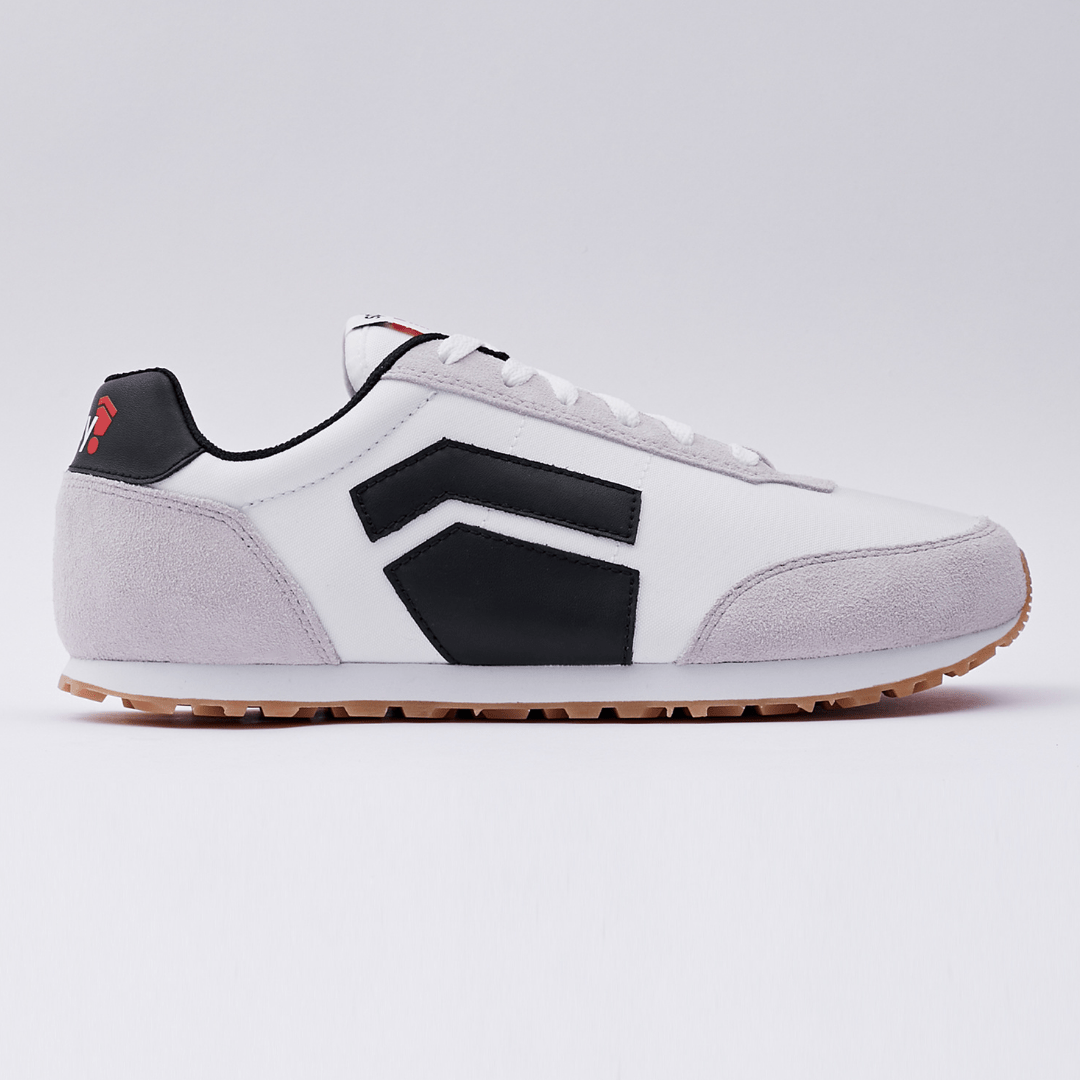
If you are just getting started, current Splay styles make easy first steps into natural movement. Match the pair to how you already spend your day, and let your feet take it from there.
Shop your perfect barefoot shoes now from Splay.


